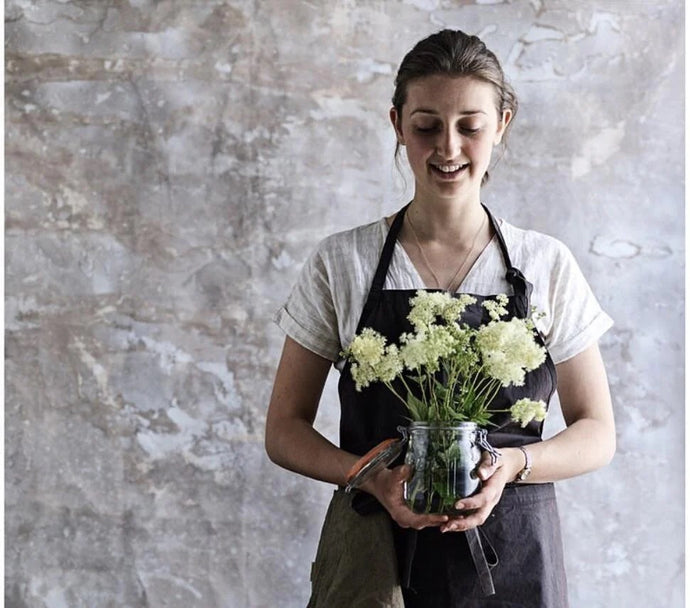
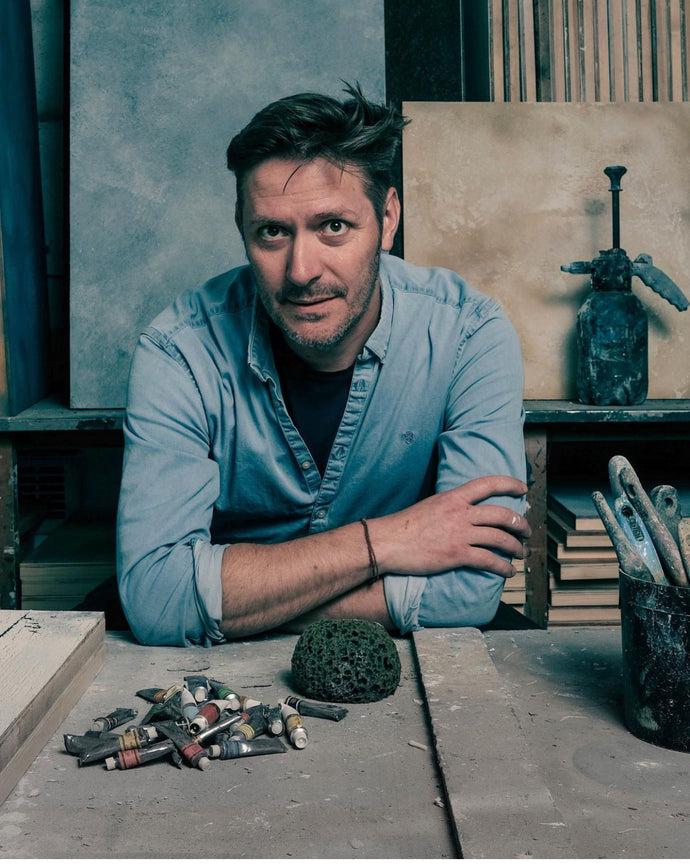
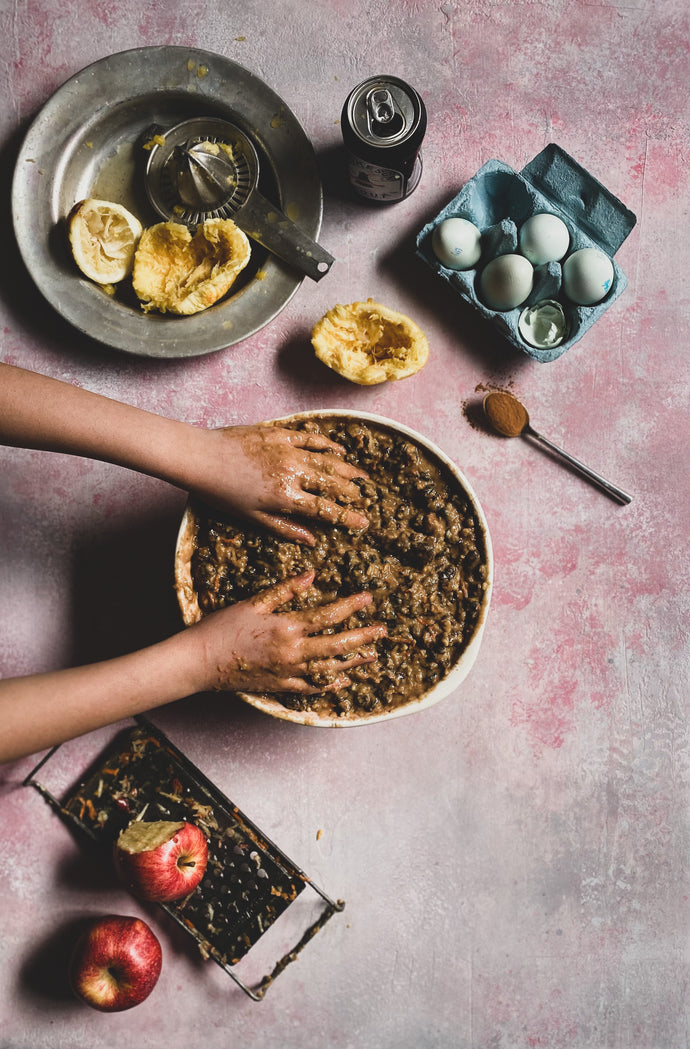
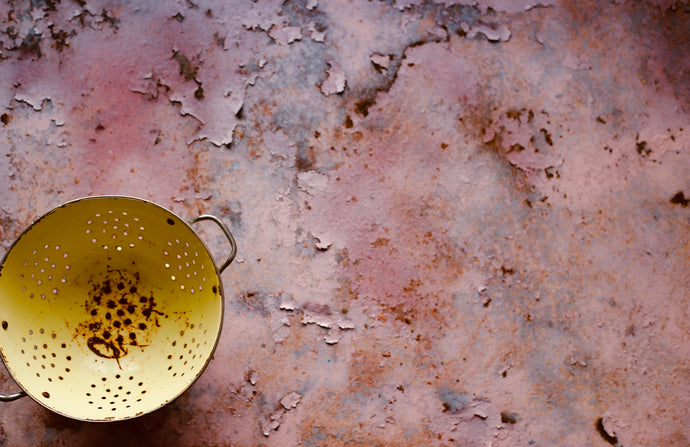
Hand-painted and textured surfaces continue to hold strong value in photography and the wider creative industry, even as AI-generated imagery becomes more advanced and accessible. While AI can simulate texture and imperfection, it cannot fully replicate the way real, physical surfaces interact with light, shadow and objects in a live environment. That tangible quality creates depth and authenticity that audiences instinctively recognise.
As digital imagery becomes more prevalent, handcrafted elements increasingly signal care, credibility and craft — qualities many brands want to communicate. Rather than replacing physical creativity, AI is becoming a complementary tool used for ideation and planning. The future of visual production is likely to be hybrid, blending technological efficiency with the richness and integrity of real-world materials — a point made, fittingly, with a little help from ChatGPT itself.